Calm Hands, Calm Mind: Slow Crafting With Breath

We explore slow crafting for stress relief—pairing meditative embroidery, mindful knitting, and accessible breathwork sequences. Through simple rhythms, gentle textures, and paced inhalations and exhalations, you will build rituals that soothe nerves, reset attention, and reconnect creativity with wellbeing, whether you are new to fiber arts or returning after burnout.

Nervous System Basics for Makers

When your body senses steadiness, it often relaxes its guard. Slow handwork offers consistent, gentle signals: pressure from the needle, glide of yarn, soft sounds of fiber. These sensations can reduce hypervigilance and anchor attention. Rather than chasing constant novelty, you can return to one movement and one inhalation. This creates a workable island of calm where focus expands naturally, worries recede a little, and creativity can safely reemerge without urgency or self-judgment.

Rhythm, Repetition, and Safety Cues

Repetition is not boring when each motion is chosen. Counting stitches, tracing outlines, and finishing rows produce reliable beats your body understands. Predictability nurtures trust, especially after frantic days. Add soft visual order—neat loops, clean edges—and the effect compounds. These cues can whisper, “You are safe enough to soften.” By honoring a pace you can truly maintain, you foster durable resilience, not a fleeting high that collapses when interruptions arrive or tasks multiply unexpectedly.

Embroidery as Moving Stillness

Embroidery invites you to draw with thread at a speed that respects your nervous system. Hoops create a contained landscape, stitches become measured footsteps, and colors unfold like quiet chapters. Pairing simple breath patterns with familiar stitches can transform minutes into nourishing pauses. Whether outlining a leaf, filling petals, or mending a cuff, the conversation between needle, fabric, and lungs encourages presence. Allow small imperfections to stay; they tell true stories about care practiced in real time.

Starter Stitches That Encourage Flow

Begin with backstitch, running stitch, and lazy daisy. Their predictable motions help hands find rhythm quickly without cognitive overload. Use a modest hoop size to reduce repositioning. Choose threads that glide easily to minimize tugging. Keep patterns simple—lines, dots, gentle curves—so your breath can lead. As your confidence grows, layer satin stitch or split stitch, noticing how denser textures invite slower exhalations. Flow arises not from difficulty, but from a kind, repeatable sequence that supports attention.

Pairing Stitches With Breath Patterns
Try four-count box breathing while outlining: inhale as the needle rises, hold briefly, exhale while the needle descends, pause before repeating. For filling areas, steady coherent breathing works well—equal-length inhales and exhales matched to consistent stitches. When tackling delicate details, extend the exhale slightly to reduce tension in shoulders and jaw. If breath counting distracts, switch to whispering calming words on each exhale. Let breath inform pace rather than enforce control, preserving ease over achievement.

Mindful Motifs and Color Stories

Select motifs that evoke a felt sense of comfort—tiny houses, sprigs, waves, or constellations. Choose a limited palette with one grounding hue and a few companions. Softer contrasts invite gentler focus, while stronger contrasts can energize tiresome afternoons. Consider seasonal cues: cool greens in summer, warm rusts in autumn, moonlit silvers at night. Let each piece become a quiet postcard from your present state, reminding you that creativity thrives on attention, affection, and mercifully unhurried time.

Knitting That Loosens the Jaw

The steady loop-and-loop of knitting can release clenched teeth and tight shoulders. Simple textures invite the mind to rest while hands converse with yarn. When paired with measured breathing, rows become gentle waves washing away accumulated noise. Mistakes are not failures—they are pauses to breathe, tink back, and proceed kindly. Choose projects that fit your capacity today, not your imagined energy tomorrow. Let softness lead, and watch ease return stitch by stitch without bargaining or internal deadlines.

Choosing Yarn, Needles, and Gauge for Comfort
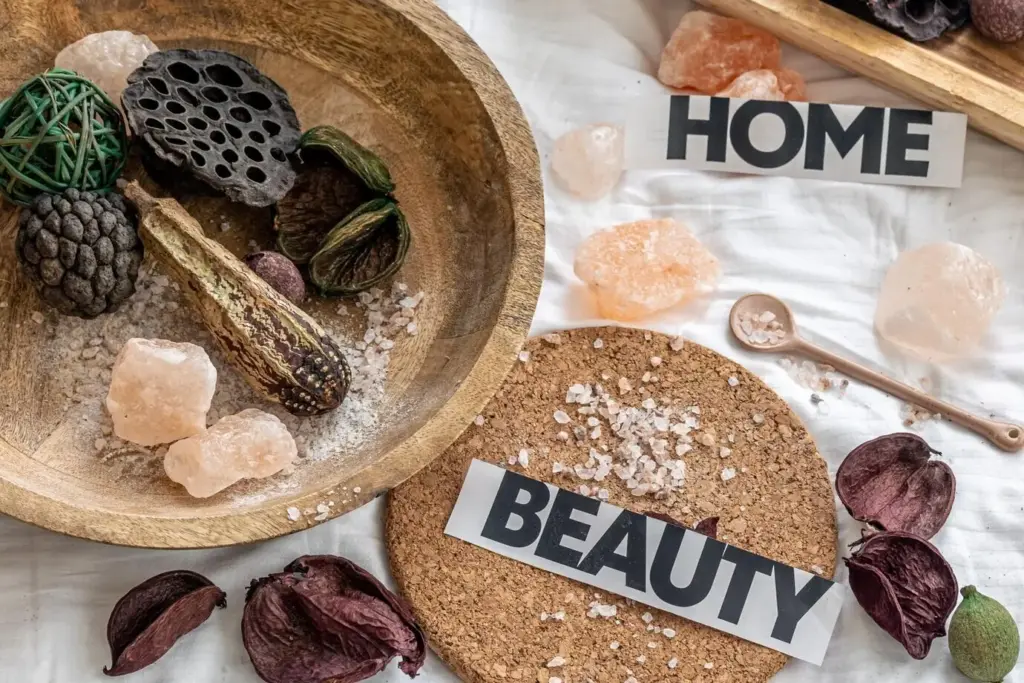
Comfort begins with materials. Select yarns that glide without squeak, like a smooth merino or well-twisted cotton. Rounded needles in a size that suits your tension reduce hand strain. Aim for a forgiving gauge rather than chasing exact measurements. Swatch with curiosity, not pressure, noticing which fabric feels cooperative at your natural pace. If wrists ache, change needle size, fiber, or technique. When tools align with your body, the craft supports you back, gently and reliably.

Row Rhythms and Counting Without Stress

Use low-stakes counting methods that cushion attention: soft stitch markers, row counters, or simple tally lines in a notebook. Choose repeatable patterns—garter, stockinette, seed stitch—that let you breathe evenly while keeping mild engagement. If numbers create tension, switch to time-based intervals: knit for three songs or two tranquil playlists. Allow interruptions gracefully by jotting a quick mark or finishing a repeat before pausing. The measure of progress is comfort today, not speed or perfection tomorrow.

Breathwork You Can Trust During Craft Time

Breathing practices should feel kind, safe, and adaptable. Start gently, avoiding straining or long holds if they cause discomfort. Aim for light, quiet, low breathing that lengthens exhalation slightly. Pair patterns with crafting phases: steadier breaths for repetitive motion, structured counts for fine details, soothing sighs for unraveling. If dizziness appears, return to normal breathing and rest. These tools support emotional regulation, not performance. Over days, small consistent sessions cultivate steadiness that outlasts any single project or stressful week.

Setting the Scene: Space, Ritual, and Sensory Cues
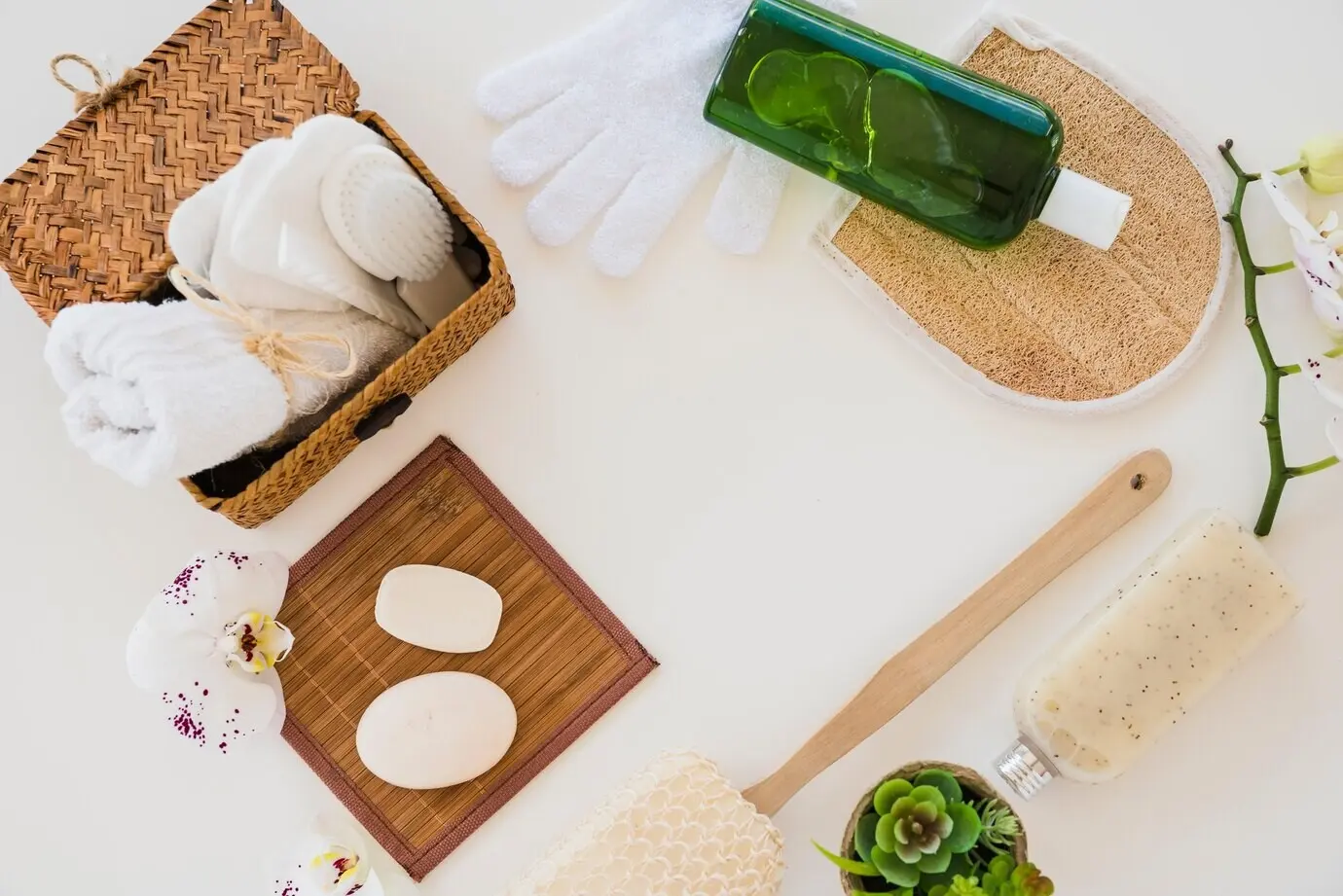
A welcoming environment turns minutes of practice into a reliable refuge. Soften lights, prepare water or tea, and gather tools within reach. Keep a small cloth or pouch for tidy endings and easy restarts. Choose background sounds that support attention—gentle rain, quiet playlists, or silence. Set your phone aside or use a focused mode. Begin and end with the same brief gesture to anchor memory: a candle, a phrase, a breath. Consistency signals safety before stitches even begin.

Stories, Prompts, and Community

Connection amplifies calm. A small story can remind us that care works in ordinary evenings. Prompts help capture subtle shifts in mood, breath, and body. Community keeps momentum when motivation wobbles. Share your pairings, ask questions, and celebrate imperfect finishes. Join our updates for seasonal mini-practices and gentle check-ins. When we stitch and breathe alongside one another—online or across town—individual rituals become shared resilience, weaving comfort that stretches well beyond a single chair or quiet night.

01

A Real Evening That Changed the Week

After a loud day, Alina brewed mint tea, threaded two calming blues, and set a timer for fifteen minutes. She paired backstitch with even breaths, exhaling slightly longer. One leaf became three. Her jaw softened. The news kept buzzing, but it no longer anchored her attention. She ended by writing, “I felt my shoulders drop around minute seven.” The next morning, stress returned, yet she knew the door back to steadiness existed, ready within fabric and breath.

02

Journal Prompts to Track Calm

Try brief reflections after each session. What texture matched your breath today? Where did your body release tension first? Which color soothed, and which distracted? Did counting help or hinder? When did time feel generous? Notice any resistance without arguing. Record one micro-adjustment for next time—needle size, chair height, or playlist. Over weeks, your notes become a personalized map, proving that small, caring choices compound into steadiness, even when life remains beautifully complicated and occasionally messy.

03

Connect, Share, and Keep Going

Tell us your favorite pairing—perhaps garter rows with coherent breathing, or satin stitch with extended exhales. Post a photo of your setup, not just finishes, so process gets applause too. Ask for gentle accountability, exchange playlists, and trade ergonomic tips. Subscribe for monthly prompts and tiny practice challenges designed for realistic evenings. Comment with your next micro-goal, and we will cheer for the smallest wins. Together, we build a friendly, pressure-free circle where courage grows quietly and steadily.

Zokorutetirara
Privacy Overview

This website uses cookies so that we can provide you with the best user experience possible. Cookie information is stored in your browser and performs functions such as recognising you when you return to our website and helping our team to understand which sections of the website you find most interesting and useful.